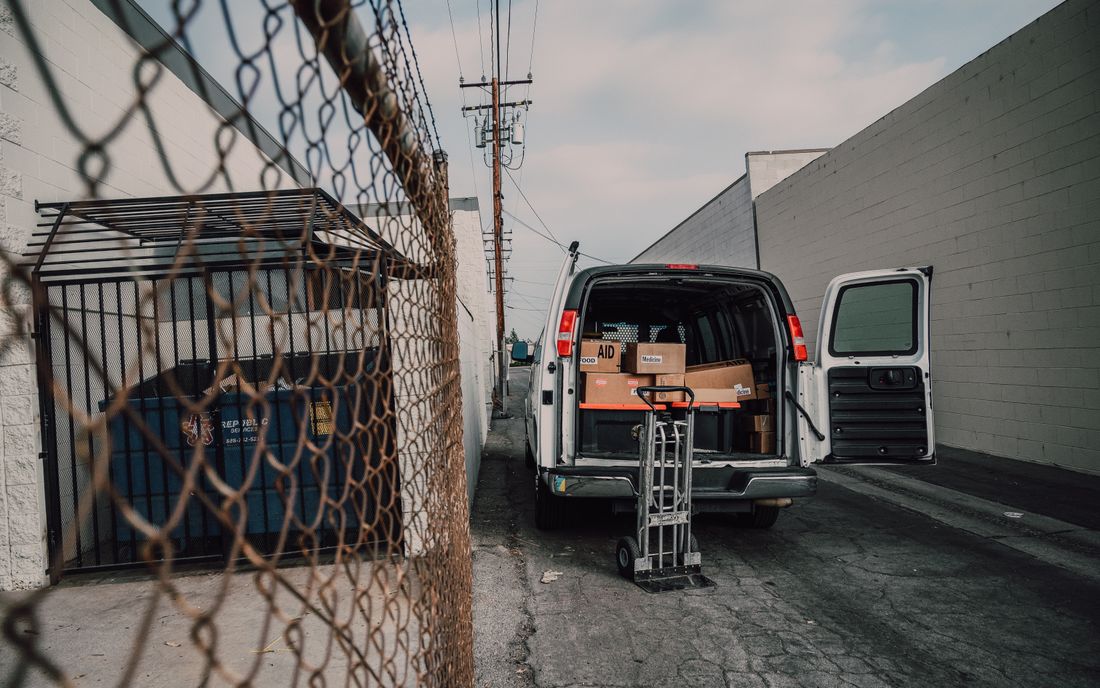
Receiving a supplier delivery: a step-by-step routine
Signing a delivery note without counting at the door is the easiest way to a shortage. Set up your receiving in six simple steps.
Picture this: the van stops at the door and the driver is in a hurry: "Please sign, I still have three more shops to reach". You glance at the goods and sign the delivery note. Two days later you find two boxes missing from the shelf, but there is nobody to claim from because the signature is yours. The moment of receiving is the only moment a shortage can be settled cleanly and without argument. You can protect it with a simple receiving routine.
Prepare in advance
The routine starts before the van arrives:
- keep a copy of the order to hand (a Telegram message or a notebook entry);
- clear a space by the door, otherwise the goods end up on the floor and get mixed up;
- have a pen, a calculator and your phone ready, since you may need to take photos;
- give the job to one responsible person, usually the owner or the senior salesperson.
Agree a convenient time with the supplier, for example between 9 and 11 in the morning. Receiving goods while a queue stands at the till almost always ends in a mistake.
Six steps to receive goods
- Compare the delivery note with the order: names, quantities and prices should match what was agreed.
- Count the packages: how many boxes, sacks or bundles arrived. Do it before the driver leaves.
- Look at the outside: photograph any crushed, wet or torn packaging immediately.
- Check the contents by sampling: open at least one or two boxes of each item, and count expensive or small items in full. Check expiry dates and batch numbers too.
- Compare the price on the note with the agreed one. If it is higher, say so before you sign.
- Before signing, write a remark on the note, for example: "3 boxes crushed, 1 box short". Do it on both copies.
A signature without remarks is usually read as "all fine". That is why every figure on a document you have signed should have passed your own check.
If goods are short or damaged
Do not argue. Write the remark, take photos and message the supplier the same day so that it is clear what, how many and on which delivery note. Then agree one of two outcomes: the missing part comes with the next delivery, or its value is deducted from what you owe. Put damaged goods in a separate place, do not mix them with sound stock and list them on a separate line in your receiving record.
Enter it in the records the same day
Goods must be in your records before they are on the shelf. Write into the table the date, supplier, item name, quantity, purchase price and, where relevant, the expiry date.
An illustrative example: you ordered 20 boxes of tea at 48,000 so'm a box. The note says 20 but only 19 arrived. If you sign without a remark you pay for 20 boxes and receive 19, so you lose 48,000 so'm. If small gaps like that repeat several times a month they add up to a noticeable sum, and the cause can never be traced.
When you put new stock on the shelf, move the old stock to the front and the new to the back, so that what arrived first sells first.
Conclusion
Receiving is the door to your records: if an error slips through it, finding it later is hard and expensive. Checking against the order, counting packages, opening a sample and signing with remarks are four simple habits that keep that door shut. If you cannot set up receiving yourself, or your goods-in records are already tangled, the AniqHisob team can run a stock count, help establish your real balances and teach your staff to receive goods properly.